
If you’ve ever watched Game of Thrones, you know certain lines stick with you long after the credits roll. One that fans keep coming back to is I wish you good fortune in the wars to come. It’s not just a simple “good luck.” It feels heavy, respectful, and a little sad all at once. Characters say it right before big battles, painful goodbyes, or even death. The words carry the weight of a world where peace never lasts and danger is always around the corner.
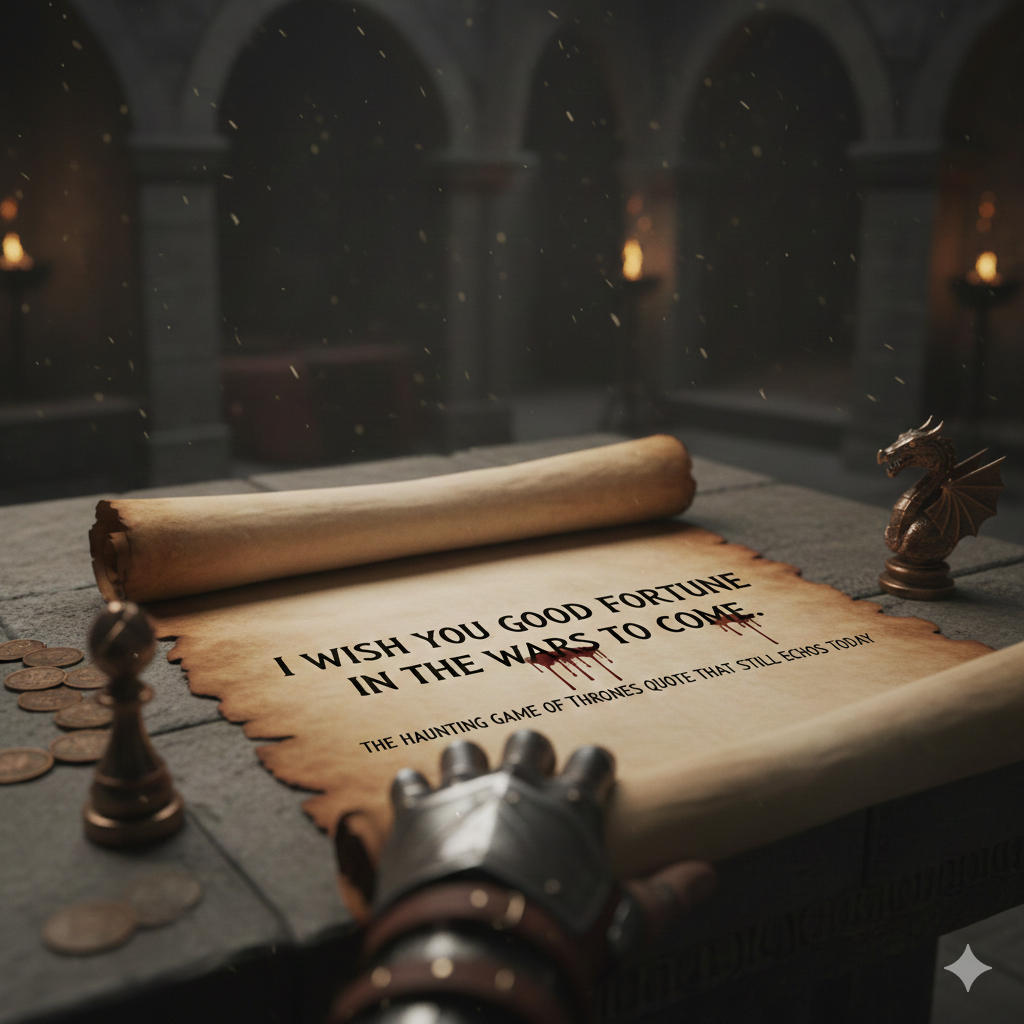
This phrase shows up in some of the show’s most memorable scenes. Fans search for it, make GIFs out of it, and quote it in everyday life. Why? Because it captures everything people love about Game of Thrones: honor among enemies, the sense that tragedy is coming, and the quiet dignity some characters hold onto no matter what. In this guide, we’ll walk you through every time it’s said, what it really means, and why it still matters years after the show ended.
The Origins of I Wish You Good Fortune in the Wars to Come
The line i wish you good fortune in the wars to come is not something George R.R. Martin wrote in the A Song of Ice and Fire books. It was created just for the HBO show by writers David Benioff and D.B. Weiss. They used it as a recurring motif—a repeated phrase that ties different parts of the story together.
Think of it like a thread weaving through the series. Each time someone says it, viewers who pay close attention feel a chill. It’s a formal, old-fashioned language that fits perfectly in the medieval world of Westeros. People there don’t say “good luck” casually. They speak with gravity because they know life can end quickly.
The phrase works on multiple levels:
- A polite wish for success in battle.
- A respectful acknowledgment between warriors.
- A subtle goodbye when paths are about to split forever.
Fans quickly noticed that when someone says this line, something big—and often bad—is about to happen.
Every Time Someone Says Wish You Good Fortune in the Wars to Come
Let’s look at the three major times this exact line appears. Each moment is powerful in its own way.
1. Ser Arthur Dayne at the Tower of Joy (Season 6, Episode 3 – “Oathbreaker”)
The first time we hear i wish you good fortune in the wars to come is during a flashback to Robert’s Rebellion. Ned Stark and his men have tracked down Ser Arthur Dayne, the greatest knight in the realm, at the Tower of Joy in Dorne.
Dayne, known as the Sword of the Morning, stands calmly with his fellow Kingsguard. He knows a fight is coming. Before drawing his famous twin swords, he looks at Ned and says the line with quiet respect. Ned responds grimly, and the battle begins. Dayne fights brilliantly but is killed (with a little help from a stab in the back).
This scene is full of emotion. Dayne is protecting a huge secret—Lyanna Stark and her newborn son Jon Snow. His words feel like a final act of courtesy before the end.
2. Mance Rayder to Stannis Baratheon (Season 5, Episode 1 – “The Wars to Come”)
Years later, after the wildlings are defeated at the Wall, Mance Rayder faces execution. Stannis Baratheon offers him a chance to bend the knee and live. Mance refuses—he will not betray his beliefs.
As he’s tied to the stake to be burned, Mance stays calm and proud. Looking at Stannis, he says wish you good fortune in the wars to come. Moments later, Jon Snow mercy-kills him with an arrow to end his suffering.
This moment shows Mance’s unbreakable spirit. The line here is almost defiant. He’s telling Stannis: “You may win today, but bigger fights are coming—and good luck with those.”
3. Jon Snow to Daenerys Targaryen (Season 7, Episode 5 – “Eastwatch”)
The final time we hear the full line is when Jon Snow prepares to sail north beyond the Wall. He’s about to face the Army of the Dead. Daenerys, who has feelings for him, watches with worry.
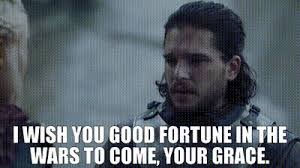
Jon pauses, looks at her, and says I wish you good fortune in the wars to come. It’s a direct callback to Arthur Dayne—the legendary knight Jon never knew was linked to his own past. Fans went wild noticing the parallel: Jon is becoming the kind of honorable warrior Dayne was.
This moment adds romance and tension. Jon is saying goodbye without knowing if he’ll return. It also foreshadows the massive conflicts still ahead.
I Wish You Good Fortune in the Wars to Come: Why It Feels So Ominous
Fans love discussing what this line truly means. Here are the most common interpretations:
- A veiled farewell: Many believe it’s a polite way to say “I don’t think we’ll see each other again.” Speakers often die soon after.
- Foreshadowing doom: The people who hear it—Ned, Stannis, Daenerys—all face tragic ends.
- A warrior’s code: It shows respect between fighters, even when they’re enemies.
- A reminder of endless war: Westeros is never at peace. There are always more wars coming.
In a popularReddit thread from 2016, fans compiled every use of the phrase and debated its meaning. Many called it one of the show’s best examples of subtle writing1.
The Line as a Fan Favorite: I Wish You Good Fortune in the Wars to Come GIF and Meme
The dramatic delivery—especially Arthur Dayne’s calm intensity—made perfect material for fans.
Search for i wish you good fortune in the wars to come gif and you’ll find dozens of clips:
- Dayne drew his sword slowly.
- Mance standing tall at the stake.
- Jon’s quiet moment with Daenerys.
These GIFs get used everywhere:
- To wish friends luck before exams (“Good fortune in the finals to come!”).
- To joke about office drama (“Good fortune in the meetings to come”).
- To react dramatically to bad news.
The i wish you good fortune in the wars to come meme often pairs the quote with modern struggles—like traffic, diets, or family gatherings. It’s become a versatile way to add epic flair to everyday life.
The phrase “I wish you good fortune in the wars to come” (with quotation marks) is also commonly searched when fans look for exact clips or transcripts.
How the Quote Connects Characters Across Time
One reason the line resonates so deeply is how it links very different people:
- Arthur Dayne: A legendary knight loyal to the Targaryens.
- Mance Rayder: A wildling leader who rejected kings entirely.
- Jon Snow: A man raised in the North, unknowingly tied to both sides.
All three are men of honor who refuse to compromise their beliefs. They face overwhelming odds with dignity. When Jon says the same words Dayne did, it feels like the show is telling us: Jon has become the hero the realm needed all along.
This kind of callback is why dedicated fans rewatch the series. They catch these connections and feel rewarded for paying attention.
The Emotional Power of Goodbyes in Game of Thrones
Game of Thrones is full of heartbreaking farewells. This line stands out because it’s understated. Characters don’t cry or make long speeches. They simply acknowledge the truth: war is coming, and survival isn’t guaranteed.
Other famous goodbyes—like “Hold the door” or “The things I do for love”—are more explosive. But i wish you good fortune in the wars to come. It is quiet and dignified. That restraint makes it hit harder for many viewers.
As one fan wrote onQuora: “It’s the kind of line real soldiers might say to each other before battle—not dramatic, just respectful2.”
music.getyarn.io
Why Fans Still Quote It Years Later
Even though the show ended in 2019, the phrase lives on. Here’s why:
- Nostalgia: It brings back memories of the show’s best moments.
- Versatility: Works seriously or jokingly in daily life.
- Depth: Rewards close viewers who notice patterns.
- Community: Saying it online instantly connects you to other fans.
On social media, people use it during elections, sports rivalries, or even video game battles. It’s become part of internet culture—a classy way to say “good luck” with a hint of drama.
The Actors Behind the Line
Let’s appreciate the performers who made the words unforgettable:
- Luke Roberts as Ser Arthur Dayne: His calm, commanding presence made the Tower of Joy fight legendary.
- Ciarán Hinds as Mance Rayder: Brought quiet strength and defiance to the role.
- Kit Harington as Jon Snow: Delivered the line with the perfect mix of warmth and sadness.
Each actor understood the weight of the moment. Their performances turned a simple sentence into something fans quote years later.
How the Quote Fits the Bigger Themes of the Series
Game of Thrones is about cycles—war, betrayal, revenge, and brief moments of hope. This line reminds viewers that peace is temporary. As soon as one war ends, another begins.
It also highlights honor in a dishonorable world. Dayne, Mance, and Jon all choose principle over survival. In a show full of schemers like Littlefinger and Cersei, these characters stand apart.
The phrase ties into larger prophecies too. “The wars to come” could mean:
- The War of the Five Kings.
- The fight against the White Walkers.
- Daenerys’s invasion.
- Or even the political struggles after the finale.
Fans still debate which “wars” each speaker meant.
FAQs About This Iconic Line
What does “I wish you good fortune in the wars to come” mean in Game of Thrones?
It is a formal and respectful way to wish someone luck in future battles. It often feels like a goodbye because speakers say it when danger is near or paths split forever. In Westeros, it shows honor between warriors.
Who says “I wish you good fortune in the wars to come” in the show?
Three characters say the full line:
- Ser Arthur Dayne (to Ned Stark).
- Mance Rayder (to Stannis Baratheon).
- Jon Snow (to Daenerys Targaryen).
Each time adds drama and ties the story together3.
When does Ser Arthur Dayne say “wish you good fortune in the wars to come”?
In Season 6, Episode 3 (“Oathbreaker”), during the Tower of Joy flashback. Dayne says it to Ned Stark right before their big fight.
What happens in the Mance Rayder scene with the quote?
In Season 5, Episode 1 (“The Wars to Come”), Mance refuses to kneel to Stannis. Before his execution, he says wish you good fortune in the wars to come. Jon later ends his suffering quickly.
Why does Jon Snow say “I wish you good fortune in the wars to come” to Daenerys?
In Season 7, Episode 5 (“Eastwatch”), Jon is leaving Dragonstone for a dangerous mission north. He says it as a respectful farewell, echoing Arthur Dayne and showing his growth.
Is “I wish you good fortune in the wars to come” in the Game of Thrones books?
No, this exact line is only in the HBO show. The writers added it as a recurring motif.
Does saying the line mean a character will die?
Often yes—it’s like a “death flag.” Two speakers (Dayne and Mance) die soon after. Fans see it as a foreshadowing tragedy.
Where can I find an “I wish you good fortune in the wars to come” gif or meme?
Fans share them on sites like GIPHY, Reddit, or YARN. They are popular for dramatic good luck wishes!
Why is “I wish you good fortune in the wars to come” so popular with fans?
It captures honor, sadness, and the show’s endless wars. People use it in real life for big challenges, like a fancy “good luck.”
Is there a similar line in other parts of the show?
Yes, variations appear, like Benjen Stark wishing “good fortune” to Bran and Meera, hinting at the great war ahead.
In Conclusion: The Lasting Magic of I Wish You Good Fortune in the Wars to Come
Few lines capture the soul of Game of Thrones as perfectly as I wish you good fortune in the wars to come. It’s dignified, haunting, and full of hidden meaning. From a legendary knight’s final stand to a wildling king’s proud end to Jon Snow’s quiet farewell, it ties together stories of honor, sacrifice, and inevitable conflict.
Fans keep it alive through memes, GIFs, and everyday quotes because it feels timeless. In a world of chaos—whether Westeros or our own—sometimes the best we can offer is respect and a sincere wish for survival.
No matter how many times you rewatch, hearing those words still gives chills. It reminds us why we fell in love with the show in the first place.
What’s your favorite use of the line—or have you ever used i wish you good fortune in the wars to come in real life? Share below!
References
- Reddit Thread: EVERYTHING “I wish you good fortune in the wars to come” – Early fan compilation and foreshadowing theories (2016). Appeals to detail-oriented viewers. ↩︎
- Quora Discussion: Why do numerous people say ‘I wish you good fortune in the wars to come’ in Game of Thrones? – Explanations of warrior culture and emotional weight. Targets fans seeking deeper meaning. ↩︎
- Entertainment Now: Who Said ‘I Wish You Good Fortune in the Wars to Come’? Game of Thrones Quote Source – Scene breakdowns with video links. Draws casual and rewatch audiences. ↩︎