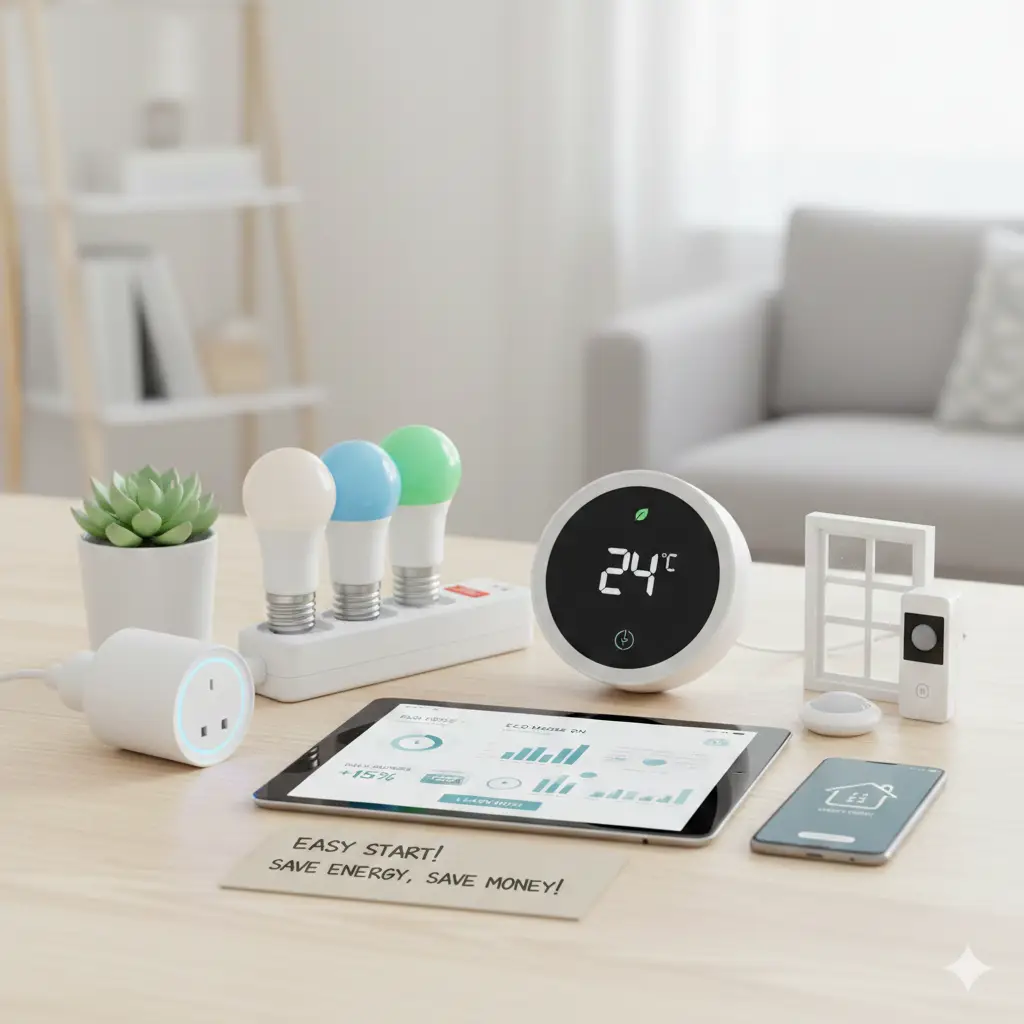
Starting a smart home can feel big and scary. But the best energy saving smart home devices for beginners change that. These tools are easy to use. They help cut your energy bills fast. You turn off lights or adjust heat without thinking. In 2026, many devices work with Matter. This means they connect to Alexa, Google, or Apple without trouble.
New people love devices that plug in or swap out quick. No need for wires or experts. A smart thermostat can save up to 26% on heating and cooling costs. Smart plugs stop waste from devices left on standby. Lights turn off alone. This guide shows top picks for starters. We use real tests and user tips from 2026. All choices are simple and give good value.
Why Beginners Should Pick Energy-Saving Devices First
Energy bills go up every year. Smart tools stop waste like forgotten lights or heat in empty rooms. New users see savings quick.
Main good points:
- Cut costs: Automate to use less power each month.
- Simple control: Use your phone or say words to a speaker.
- Quick setup: Most just plug in or connect to Wi-Fi.
- Work with many systems: Matter helps in the best smart home ecosystem.
People on Reddit say start with plugs or thermostats. They fix “vampire” power from devices on standby. This can add 5-10% to bills. Thermostats learn when you leave and save more.
Choose based on your home. Renters pick no-install items. Owners add thermostats for big wins. Stats show smart homes use 30-40% less energy overall.
How These Devices Help Save Energy Every Day
Smart tech watches your habits and acts smart.
Simple ways they save:
- Thermostats lower heat when no one is home.
- Plugs turn off power to unused items and show use.
- Lights dim or go off with motion or time.
Real numbers help. ENERGY STAR says good thermostats save 8-26% on bills. That’s $50-250 a year. Plugs cut standby waste. Lights use 75% less than old bulbs.
Beginners get reports in apps. See what uses most power. Changing habits is easy.
What are the best energy saving smart home devices for beginners?
Start with these easy picks:
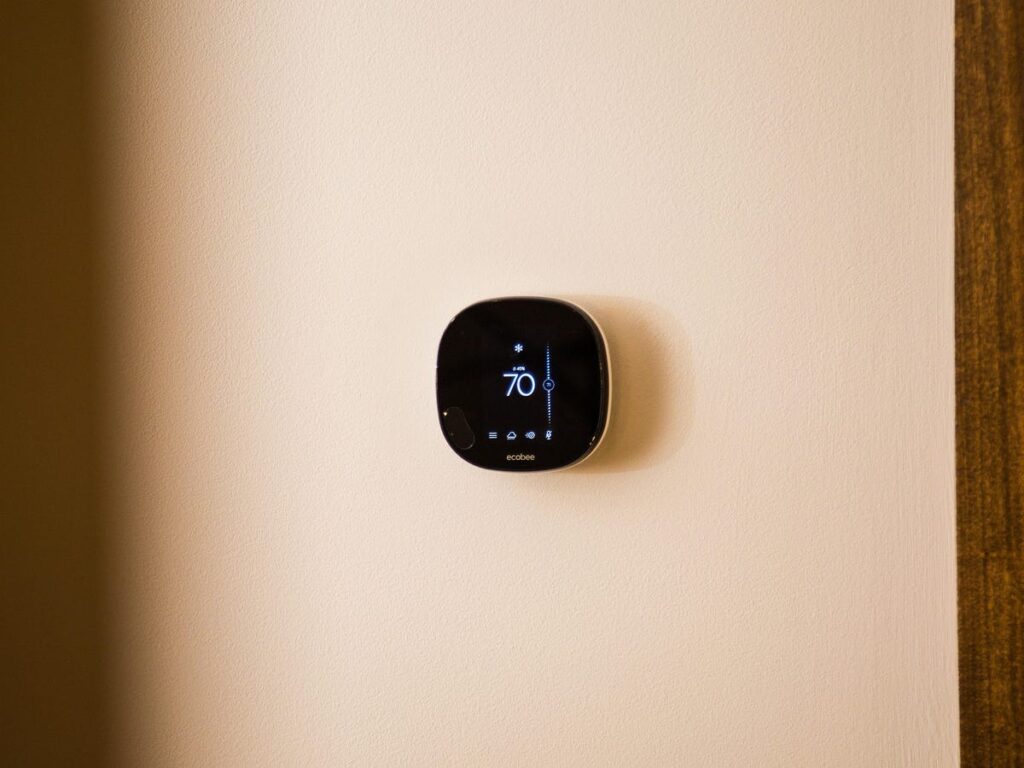
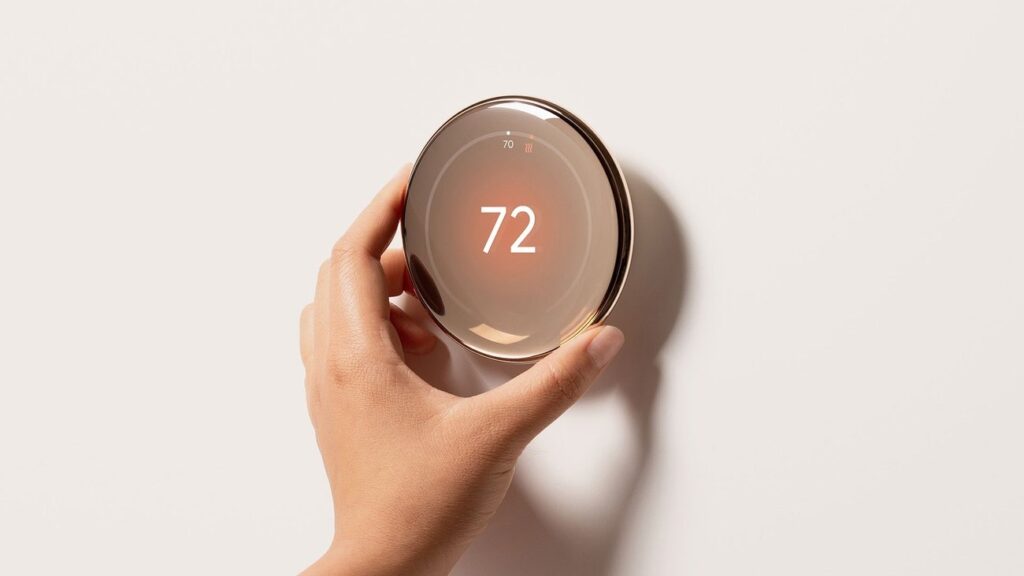
- Smart thermostats like Ecobee Smart Thermostat Premium or Google Nest Learning Thermostat. They learn your routine and save up to 26% on heating and cooling bills.
- Smart plugs such as TP-Link Kasa KP125M or Emporia Smart Plug. They track energy use and turn off devices automatically.
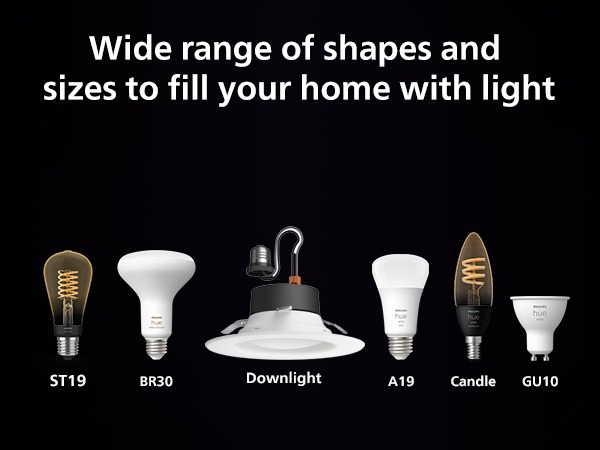
- Smart lights like WiZ Color LED Bulbs or Philips Hue. They dim or schedule to use less power.
These are simple to set up and give quick savings. Many work with Matter for easy connections.
Top Energy Saving Smart Home Devices for Beginners in 2026
Here are the best picks. All easy for new users, low cost, and save real money.
Smart Thermostats: The Biggest Saver for Your Home
Heating and cooling use half your energy. Smart ones fix that.
Ecobee Smart Thermostat Premium – Best All-Around
This is a top choice. It has sensors for even temps in rooms. App is simple. Works with major voices.
- Saves up to 26% on bills.
- Shows energy reports.
- Easy guide for install.
Great for best smart home devices 2025 and beyond.
Google Nest Learning Thermostat (4th Gen) – Smart Learner
It watches your habits and sets itself. Looks nice too.
- Saves 10-15% easy.
- Works with Matter.
- Monthly savings tips.
Good for hands-off people.
Amazon Smart Thermostat – Best Low Price
Cheap and works great with Alexa.
- Saves around 10%.
- Fast setup.
- Good start in top 10 smart home devices.
Smart Plugs: Make Any Device Smart and Efficient
Plug in and control old items.
TP-Link Kasa KP125M – Best with Tracking
Shows exact power use. Schedules are easy.
- Matter ready.
- Small size.
- Helps find waste.
Popular on best energy saving smart home devices for beginners reddit.
Emporia Smart Plug – Detailed Reports
Good charts in app.
- Low cost packs.
- Accurate numbers.
- Works with voices.
Spot high-use items fast.
Smart Lights: Save Power and Set Moods
LEDs save a lot. Smart adds auto control.
WiZ Color LED Bulbs – Easy Start
No hub needed. Wi-Fi direct.
- Dim and schedule.
- Matter support.
- Tracks some use.
Fun and efficient.
Philips Hue Bulbs – Best System
Hub for more options.
- Natural day light.
- Motion auto off.
- Long life.
Build a full list of smart devices for home.
Are these devices easy to install for beginners?
Yes! Most are plug-and-play:
- Swap a bulb for smart lights.
- Plug in smart plugs.
- Follow app guides for thermostats (some need basic wiring, but many have help).
Apps walk you through steps with pictures. No tools needed for plugs and bulbs.
Easy Steps to Set Up Your First Devices
Do this to start safe:
- Pick your voice helper: Alexa, Google, or Apple?
- Buy one or two: Like a thermostat and plugs.
- Get the app: Follow pictures.
- Make schedules: Match your day.
- Add voice commands: Say “lights off.”
- Look at reports: Change to save more.
Helpful tips:
- Pick a Matter for the Future.
- Use motion for lights.
- Check for money back from the power company.
Learn more from PCMag’s best smart home devices guide.
Mistakes New Users Often Make
Don’t do these:
- Buy too much at once.
- Mix brands that don’t work together.
- Forget to set times.
- Not update apps.
Keep it small. Add slow.
Reddit talks share plugs for forgotten chargers. See this must-have thread.
More Ways to Save as You Learn
When ready:
- Add a best smart home hub for all control.
- Make the top 10 smart devices work together.
- Watch the whole home use.
- Add solar later.
See new ideas in Beaconsoft’s latest tech guide.
FAQs About Energy Saving Smart Devices for Beginners
How much money can these devices save on energy bills?
You can save 10-26% on your bills. That’s $50 to $250 a year for most homes. Thermostats save the most on heating and cooling. Plugs cut “vampire” power from standby devices. Lights use 75% less energy than old bulbs. Real savings depend on your habits and home size.
Do I need a smart home hub to use these devices?
No, many connect directly to Wi-Fi. Matter-compatible ones work without a hub. Some like Philips Hue use a hub for better range. Start without one to keep it simple.
Which smart home ecosystem should I choose?
Matter is best in 2026. It works with Alexa, Google Home, Apple HomeKit, and more. Pick based on what you have:
- Alexa for Amazon users.
- Google for Nest fans.
- Apple for HomeKit.
Many devices support all.
Do smart devices use energy when turned off?
A tiny bit, to stay connected. But it’s very small—less than old standby power. The savings from automation are much bigger.
Can renters use energy saving smart devices?
Yes! Choose no-install options like smart plugs and bulbs. Take them when you move. Avoid wired thermostats unless your landlord agrees.
What is the best smart thermostat for beginners in 2026?
Ecobee Smart Thermostat Premium or Google Nest Learning Thermostat (4th Gen). They learn your schedule, have easy apps, and save the most energy.
How do smart plugs help save energy?
They monitor power use and schedule off times. Turn off forgotten devices remotely. Stop phantom loads that add 5-10% to bills1.
In Conclusion
The best energy saving smart home devices for beginners make cutting bills and adding comfort simple in 2026. Tools like thermostats, plugs, and lights give quick results with little work. Matter helps everything connect smoothly. Start small, see savings, and grow your home. What device do you want to try first to save energy2?
References
- PCMag Best Smart Home Devices – Tested picks for easy energy savers; great for new users wanting reliable thermostats and plugs. ↩︎
- Reddit Must-Have Smart Home Thread – Everyday tips from users on practical plugs and lights for comfort and lower bills. ↩︎