Self-stabilizing photography drones under 150 grams for creators offer a perfect mix of ease and quality. These tiny flyers weigh less than a smartphone. They fit in your pocket and launch fast for quick shots. Creators love them for smooth, steady videos without heavy gear. Built-in tech like electronic stabilization or gimbals keeps footage clear, even in light wind. Many have smart modes that follow you or orbit automatically. This helps beginners and travel influencers capture pro-looking content on the go.
In many places, drones with this light face fewer rules. In the US, the FAA skips registration for under 250 grams, and even lighter ones feel extra free. In the EU and UK as of 2026, super-light models often avoid strict ID needs. This makes them ideal for spontaneous shoots during hikes or city trips. Prices start low, so you get great value without big costs.
Why Choose Self-Stabilizing Photography Drones Under 150 Grams for Creators?
Creators pick these drones for key reasons. Portability tops the list. You slip one into a backpack or jacket without notice. No bulky cases slow you down.
Self-stabilization shines here. Advanced software or small gimbals fight shakes. Footage stays smooth for Instagram Reels or TikTok videos. AI tracking follows you hands-free, great for solo vloggers.
Regulations help too. Lighter drones often skip registration or exams in spots like the US and parts of Europe. Check local rules, but under 150 grams usually means more freedom.
Battery life and camera quality surprise many. Top models shoot 4K or high-res photos with good low-light performance.
Here are main benefits:
- Ultra-portable: Pocket-sized for travel.
- Easy to fly: Palm launch and auto modes for beginners.
- Stable shots: EIS or gimbals for pro results.
- Rule-friendly: Fewer hassles in many countries.
- Affordable: Many self stabilizing photography drones under 150 grams for creators price stay budget-friendly.
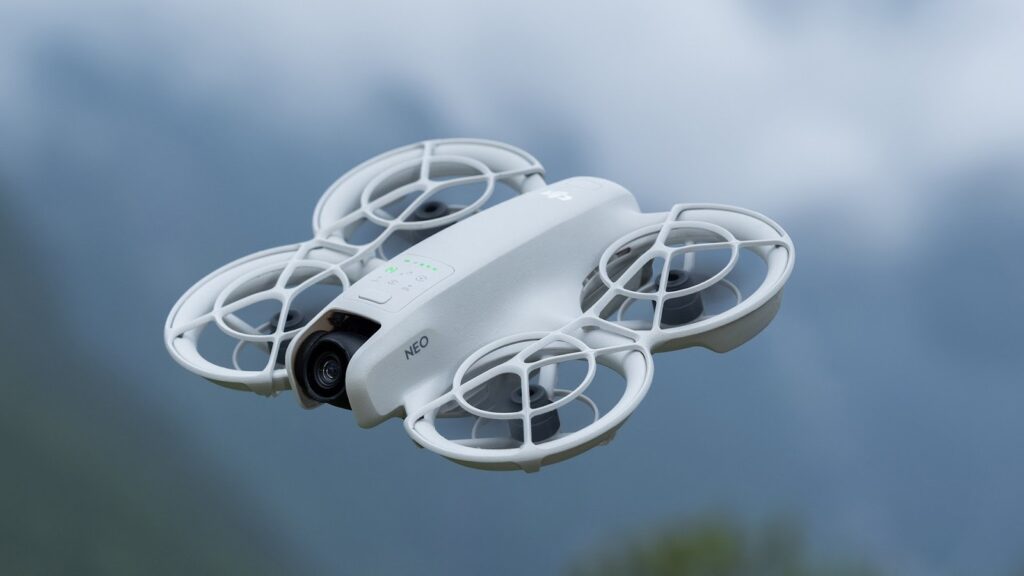
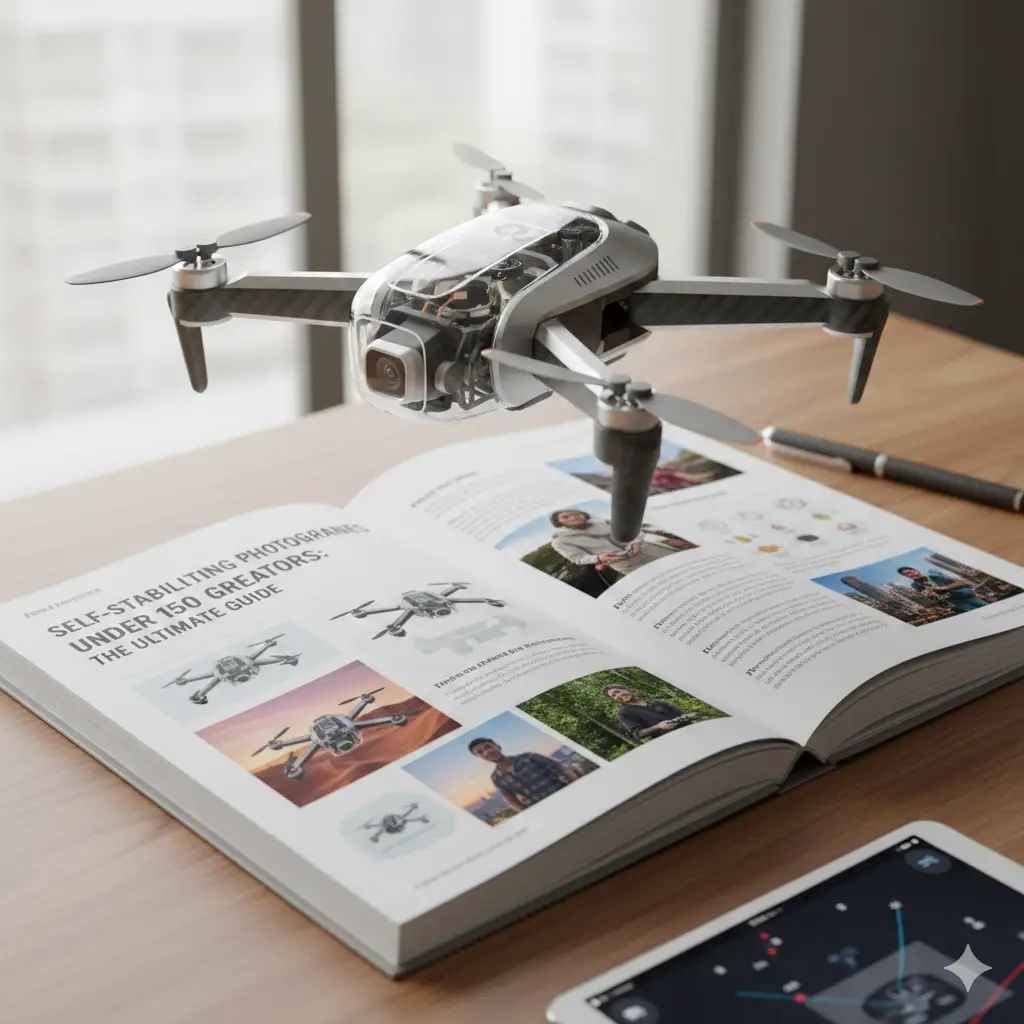
These images show popular models like the DJI Neo and HOVERAir X1 in action – compact and ready for creative flights.
Top Picks: Best Self Stabilizing Photography Drones Under 150 Grams for Creators
Few drones stay truly under 150 grams with strong cameras, but leaders stand out. Here are top choices based on recent reviews.
1. DJI Neo – Best Overall for Beginners and Vloggers
The DJI Neo weighs about 135 grams. It launches from your palm and flies itself.
Key features:
- 4K video with RockSteady stabilization for shake-free clips.
- AI subject tracking and QuickShots for easy cinematic moves.
- Up to 18 minutes flight time.
- Voice control and app integration.
This best drones for beginners with camera shines for casual filmmakers. No controller needed at first.
Pros: Super easy, safe prop guards, great for indoor/outdoor.
Cons: Shorter battery than bigger models.
Check details on PCMag’s best drones list.
2. HOVERAir X1 – Top Self-Flying Pick for Hands-Free Creators
The HOVERAir X1 tips scales at 125 grams. It folds tiny and focuses on auto flights.
Key features:
- 2.7K or higher video (PRO models up to 4K) with triple stabilization.
- Follow-me modes up to 15 mph.
- Palm takeoff and landing.
- Enclosed props for safety.
Perfect for travel influencers needing quick selfies or orbits.
Pros: No remote required, fast launch under 10 seconds.
Cons: Limited manual control.
Many find it on self stabilizing photography drones under 150 grams for creators amazon for easy buys.
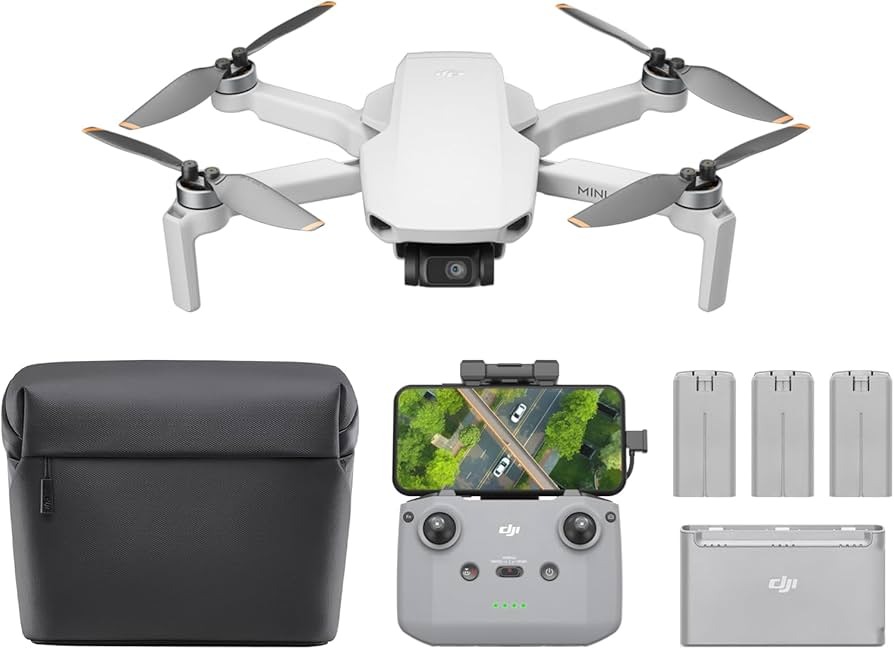
Amazon.com : DJI Mini 4K Fly More Combo, Drone with 4K UHD Camera …
This DJI model shows similar lightweight design inspiration.
3. Ryze Tello – Best Budget Option
At just 80 grams, the Ryze Tello (powered by DJI tech) costs little.
Key features:
- 720p video with electronic stabilization.
- Programmable tricks and app control.
- 13 minutes flight time.
Great entry for hobbyists testing aerial shots.
Pros: Super cheap, fun for learning.
Cons: Lower resolution, no 4K.
It fits best budget drone with 4k camera seekers on tight budgets, though video tops at HD.
How Self-Stabilization Works in These Drones
Self-stabilization keeps your footage smooth. Most use Electronic Image Stabilization (EIS). Software crops and shifts the image to counter shakes.
Some add small gimbals for mechanical steadiness. AI helps too – drones hover steady with sensors.
Follow these steps for best stable shots:
- Calibrate before flight: Use the app for compass and IMU.
- Fly in calm conditions: Wind affects light drones more.
- Use smart modes: Let AI handle paths for steady results.
- Edit later: Apps add extra stabilization.
- Update firmware: New versions improve performance.
This turns shaky raw footage into polished content.
Drone Regulations for Under 150 Grams in 2026
Rules vary, but light drones get breaks.
In the US (FAA):
- Under 250 grams: No registration for fun flying.
- Under 150 grams: Even easier, but follow no-fly zones and height limits (400 feet).
In EU/UK (as of 2026):
- Very light models (under 100g no camera) are often exempt from ID.
- Camera drones may need basic registration from 100g.
- Check for Remote ID needs on newer models.
Always fly safe: Keep visual line of sight, avoid people/airports.
For updates, see expert guides like TechRadar’s best drones.
Tips for Creators Using These Drones
Get the most from your drone with these tips:
- Plan shots: Use QuickShots for fast pro looks.
- Shoot in good light: Small sensors love bright days.
- Carry extras: Spare batteries extend sessions.
- Edit on phone: Apps transfer files quick for social posts.
- Practice safe: Start in open areas.
For best drone for professional photography on budget, pair with free editing tools.
Note: Some regions have drone camera price in pakistan under 50000 or similar local deals, but focus on global options.

Why choose a drone under 150 grams?
- Super portable — fits in your pocket or small bag.
- Often no registration needed in many countries (e.g., US FAA exempts recreational drones under 250g, and even lighter ones have fewer rules).
- Easy and safe to fly anywhere — perfect for travel, hikes, and quick social media shots.
Comparing Features: Quick Chart Overview
| Model | Weight | Video Res | Stabilization | Flight Time | Price Range |
| DJI Neo | ~135g | 4K | RockSteady | 18 min | Mid |
| HOVERAir X1 | 125g | 2.7K-4K | Triple EIS | 11-15 min | Mid-High |
| Ryze Tello | 80g | 720p | Basic EIS | 13 min | Low |
These suit different needs – Neo for versatility, X1 for hands-free.
Advanced Options and Alternatives
If you stretch near 150 grams, look at DJI Mini 4K (around 246g but close feel). It offers full 4K with 3-axis gimbal – a step up for best drone for professional photography.
See comparisons in JVN Photo’s 2026 guide.
FAQs About Self-Stabilizing Photography Drones Under 150 Grams for Creators
What exactly are self-stabilizing photography drones under 150 grams for creators?
These are tiny, lightweight drones (under 150 grams) designed for content creators. They use built-in stabilization (like electronic image stabilization or small gimbals) to keep video and photos smooth and steady, even when you’re moving or there’s light wind.
What are the best self stabilizing photography drones under 150 grams for creators right now (2026)?
Top picks include:
- DJI Neo (~135g) — Best overall with 4K video, palm launch, and AI tracking.
- HOVERAir X1 (125g) — Best hands-free selfie drone with excellent follow modes.
- Ryze Tello (80g) — Best super-budget option for beginners.
Do these drones shoot 4K video?
Yes! The DJI Neo records true 4K. The HOVERAir X1 PRO version also offers 4K. Budget models like the Tello are limited to 720p or 1080p.
Are these good for beginners?
Absolutely — they’re some of the best drones for beginners with camera. Features like palm takeoff, auto return home, one-tap QuickShots, and prop guards make flying safe and simple.
How much do self stabilizing photography drones under 150 grams for creators price cost?
Prices range widely:
- Entry-level (Ryze Tello): $99–$130
- Mid-range (DJI Neo): $199–$350
- Premium hands-free (HOVERAir X1): $350–$450 You can often find great deals on self stabilizing photography drones under 150 grams for creators amazon.
Do I need to register these drones?
In most countries:
- USA: No registration required for recreational use under 250 grams.
- EU/UK: Drones under 250g with camera usually need basic operator ID, but very light models (<100g) often have fewer requirements. Always check local laws before flying.
How long do they fly on one battery?
Typical flight times:
- DJI Neo: Up to 18 minutes
- HOVERAir X1: 11–15 minutes per battery
- Ryze Tello: About 13 minutes Extra batteries are cheap and highly recommended1.
Conclusion
In conclusion, self-stabilizing photography drones under 150 grams for creators change the game for portable aerial shots. They deliver smooth, high-quality footage without complexity or heavy rules. Models like DJI Neo and HOVERAir X1 lead for ease and creativity. Beginners get confidence fast, while travelers capture moments effortlessly. Pick one that fits your style and start flying. What adventure will your next drone shot capture2?
References
- PCMag – The Best Drones – Detailed reviews of lightweight drones like DJI Neo and Flip, ideal for beginners and casual creators seeking stable footage. ↩︎
- JVN Photo – Best Drone Photography 2026 – Focus on portable sub-250g drones for photography enthusiasts and content producers. ↩︎