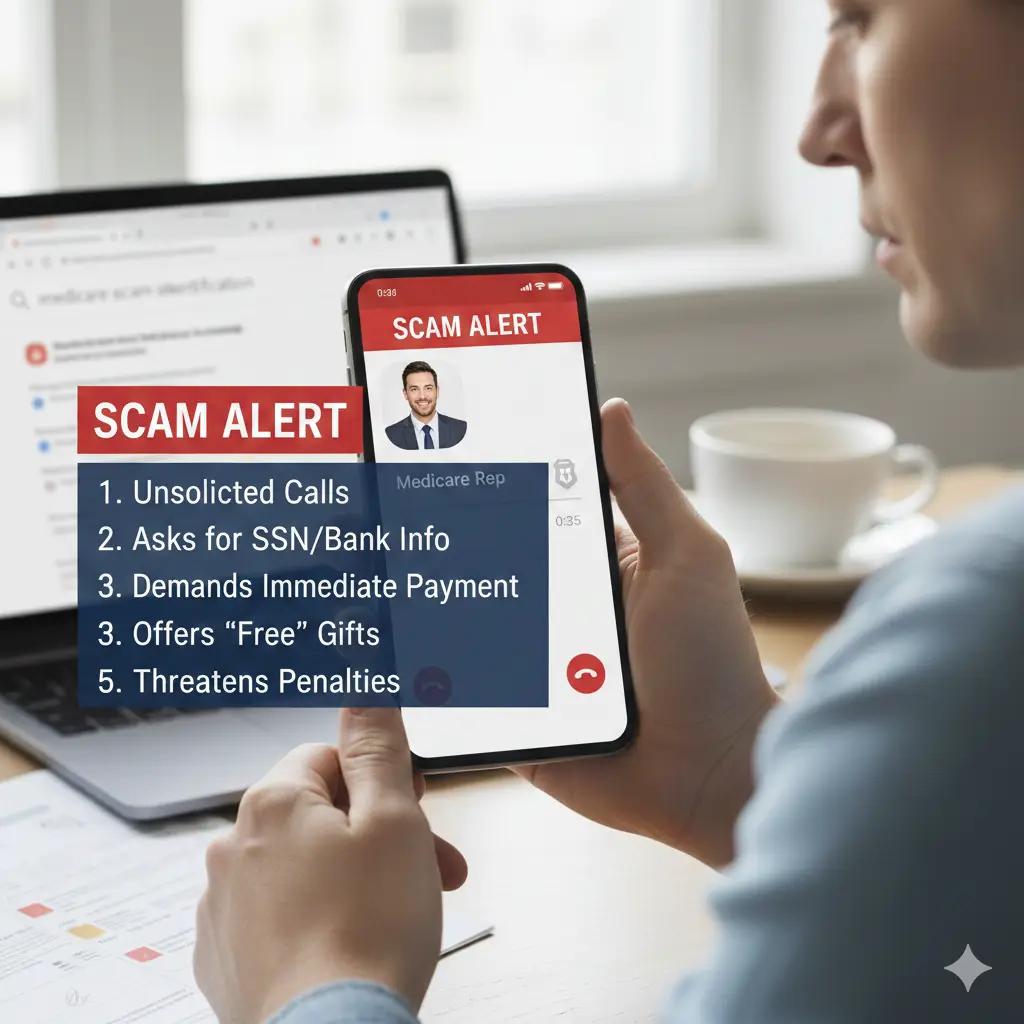
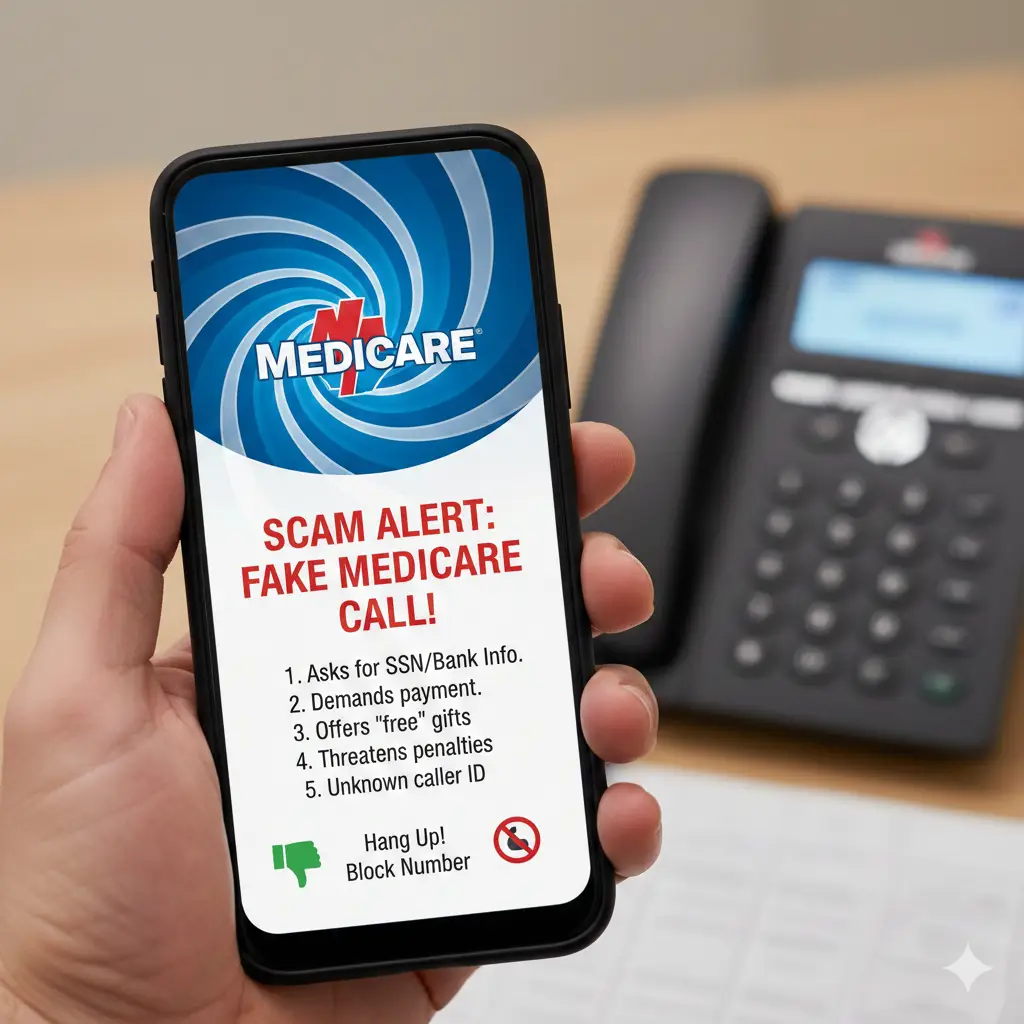
Many people worry about phone calls from fake Medicare reps. Learning how to recognize fake Medicare representative scams on phone helps keep your personal info and money safe. Scammers pretend to be from Medicare. They call out of the blue and ask for your Medicare number, Social Security number, or bank details. These tricks happen a lot, especially during open enrollment or when they talk about new benefits for 2026. Real Medicare almost never calls you first unless you asked them to.
This guide is for older adults on Medicare, people turning 65, caregivers, and anyone who wants to stop identity theft. We use simple words and steps. You will learn warning signs, real stories, and what to do next. Stay calm – you can protect yourself easily.

These pictures show how scary it feels to get a suspicious call. But with the right knowledge, you can hang up and stay safe.
Why Scammers Target Medicare Users with Phone Calls
Scammers pick Medicare users because Medicare numbers are valuable. They can use your number to bill fake services or steal your identity. Fraud costs billions every year. Older adults get most of these calls. Many have Medicare and may not know all the new tricks.
In 2026, scams are still common. They use AI to make voices sound real. They spoof caller ID to look like official numbers. Calls go up during open enrollment, which is October 15 to December 7 for the next year’s plans.
Caregivers play a big role. Talk to your family about these scams. Help them check calls. Anyone worried about types of medicare frauds can use this info.
Real Medicare sends letters in the mail for big news. They do not call to ask for info first.
Key Warning Signs of Fake Medicare Phone Calls
Watch for these signs. If you see them, it’s likely a scam.
- Unexpected call: Does medicare call you at home without you calling first? No. Real Medicare does not make surprise calls.
- Asks for personal info fast: They want your Medicare number or bank details to “verify” or “update.” Should i give my medicare number over the phone? No, never to someone who calls you.
- Pushes you to act now: They say “decide today or lose benefits.” Real options give you time.
- Offers free things: Free braces, tests, or equipment if you share info. This is a common trick.
- Threats about coverage: They claim your benefits end soon unless you pay or share details.
- Talks about new cards: Lies about are new medicare cards being issued for 2025 or 2026 plastic or chip cards. No big new cards are coming in 2026.
These are part of current medicare scams. Scammers use fear or greed to trick you.
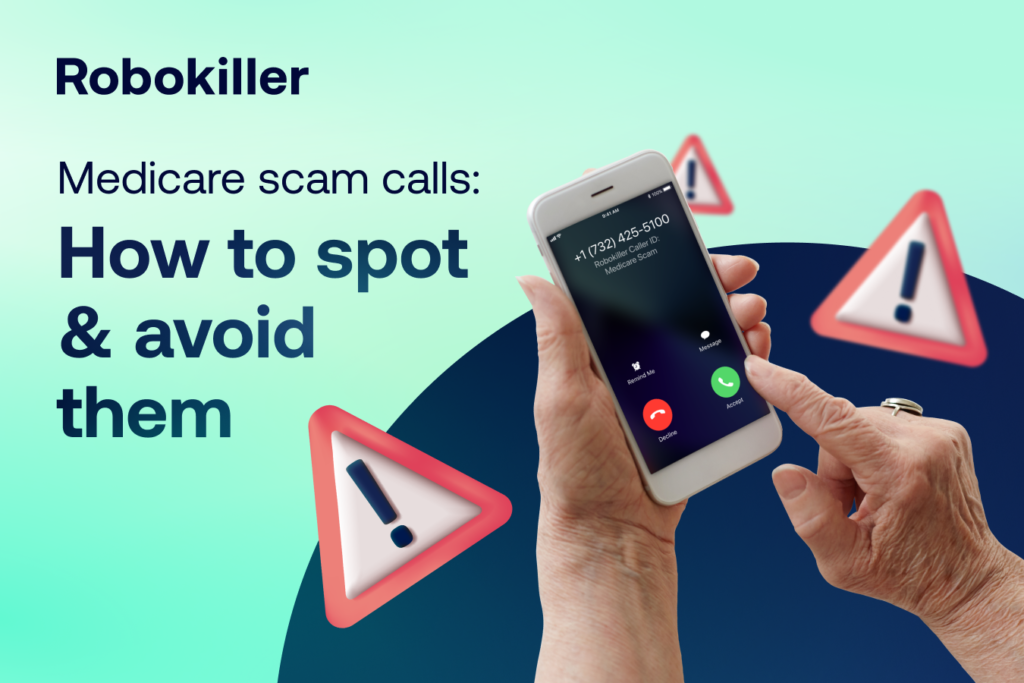
Warning signs like these help you spot trouble fast.
Common Medicare Phone Scams in 2025 and 2026
Here are scams happening now:
- Fake new card scam: Caller says Medicare issues new plastic or chip cards for 2026. They need to “confirm” your info. Hang up – no new cards for everyone.
- Better plan offer: Promises lower costs or extra benefits if you switch now. They ask for your number to enroll you.
- Refund or rebate: Claims you overpaid and need bank info for money back.
- Free equipment: Offers braces, genetic tests, or supplies. They bill Medicare falsely later.
- Part D cap help: Talks about the 2026 out-of-pocket cap for drugs ($2,100 or changes). Offers “help” but wants info.
- AI voice tricks: Sounds like a real person or even a family member.
These are big in medicare scams 2025 and continue into 2026. Scammers change with new laws.
One story: A senior got 50 calls a day about “new benefits.” It stressed him while caring for his wife.
What Real Medicare Does and Does Not Do
Understand this to stay safe:
- Real Medicare sends mail for updates.
- They call only if you asked or for a follow-up you started.
- Never ask for payment over the phone.
- Do not pressure you to buy or change.
- Use 1-800-MEDICARE for real help.
Here is what a real Medicare card looks like:
Cards are paper, not plastic. Keep yours safe.
Learn more from trusted sites like the McAfee guide on Medicare scams, ElderLawAnswers on open enrollment protection, and NCOA’s 5 warning signs.
What are current Medicare scams?
In 2026, current medicare scams include:
- Fake calls about new plastic or chip cards.
- Offers of extra 2026 benefits like flex cards or groceries.
- Claims you need to “update” info for the Part D drug cap ($2,100 out-of-pocket limit).
- AI voices that sound real or like family.
- Threats your coverage ends soon.
Scammers use spoofed numbers and high pressure.
Step-by-Step: How to Handle Suspicious Calls
Follow these steps:
- Do not answer unknown calls: Let it go to voicemail.
- If you answer, stay quiet: Do not say yes or give info.
- Hang up fast: If it sounds wrong, end the call.
- Call back official numbers: Use 1-800-MEDICARE from your card.
- Block the number: On your phone settings.
- Report it: Tell Medicare or FTC.
This is free and easy – how to recognize fake medicare representative scams on phone free.

How to recognize fake Medicare representative scams on phone?
Spot them by these signs:
- The call comes out of the blue.
- They ask for your Medicare number or bank info right away.
- They push you to act fast or offer free things.
- They threaten to stop your benefits.
Hang up and call 1-800-MEDICARE yourself to check1.
Extra Tips to Protect Yourself and Family
- Sign up for the Do Not Call list, but scammers ignore it.
- Use call blocking apps.
- Check Medicare statements monthly for wrong charges.
- Talk to SHIP counselors for free plan help.
- Share old papers with your info.
- Tell caregivers to watch calls.
For new to Medicare: Get help from official sources only.
What If You Already Gave Information?
If i gave my medicare number to a scammer, act quick2:
- Call 1-800-MEDICARE right away.
- Report to FTC at ReportFraud.ftc.gov.
- Watch your credit and statements.
- Put fraud alerts on credit reports.
- Change passwords if needed.
Medicare can help flag your account.
FAQs About Fake Medicare Phone Scams
Are new Medicare cards being issued for 2025 or 2026?
No. There is no big rollout of new Medicare cards in 2025 or 2026. Are new medicare cards being issued for 2025? Not for everyone. Only some people get replacements after data problems, and Medicare mails them free. Scammers lie about this to get your info.
Should I give my Medicare number over the phone?
Should i give my medicare number over the phone? No, never to someone who calls you first. Only share it with your doctor, pharmacy, or trusted providers you contact. Medicare already has your number – they won’t ask for it unsolicited.
What types of Medicare frauds are common over the phone?
Types of medicare frauds by phone include:
- Impersonating Medicare to steal numbers.
- Fake equipment offers (braces, tests).
- Bogus refunds or overpayment claims.
- Unauthorized plan enrollments.
- Genetic testing scams.
These lead to fake bills or identity theft.
How to recognize fake Medicare representative scams on phone free?
You can learn how to recognize fake medicare representative scams on phone free from official sites. Use Medicare.gov, call 1-800-MEDICARE, or talk to free SHIP counselors in your state. No cost for real help.
What should I do if I gave my Medicare number to a scammer?
If i gave my medicare number to a scammer:
- Call 1-800-MEDICARE right away to report.
- Check your statements for fake charges.
- Put a fraud alert on your credit.
- Report to FTC at ReportFraud.ftc.gov.
Act fast – Medicare can protect your account.
Medicare scams 2025 – are they still happening in 2026?
Yes. Medicare scams 2025 tricks continue into 2026. Things like fake chip cards, AI voices, and Part D cap lies are big now. Scams spike after open enrollment too.
Why do scammers target Medicare users?
Your Medicare number is like gold to them. They use it for fake claims or sell it. Older adults get most calls – up to 50-60 a day for some3.
Conclusion
In conclusion, knowing how to recognize fake Medicare representative scams on phone gives you power. Use the signs, hang up, and verify yourself. Share with family and caregivers. You stay in control. What will you do first to protect your Medicare info? Talk to a loved one today.
References
- NCOA 5 Warning Signs – Great for Medicare beneficiaries and caregivers with simple lists. ↩︎
- ElderLawAnswers Open Enrollment Protection – Helps people in open enrollment and new eligibles spot urgency scams. ↩︎
- McAfee Medicare Scams Guide – Explains common phone tricks and targets older adults worried about identity theft. ↩︎