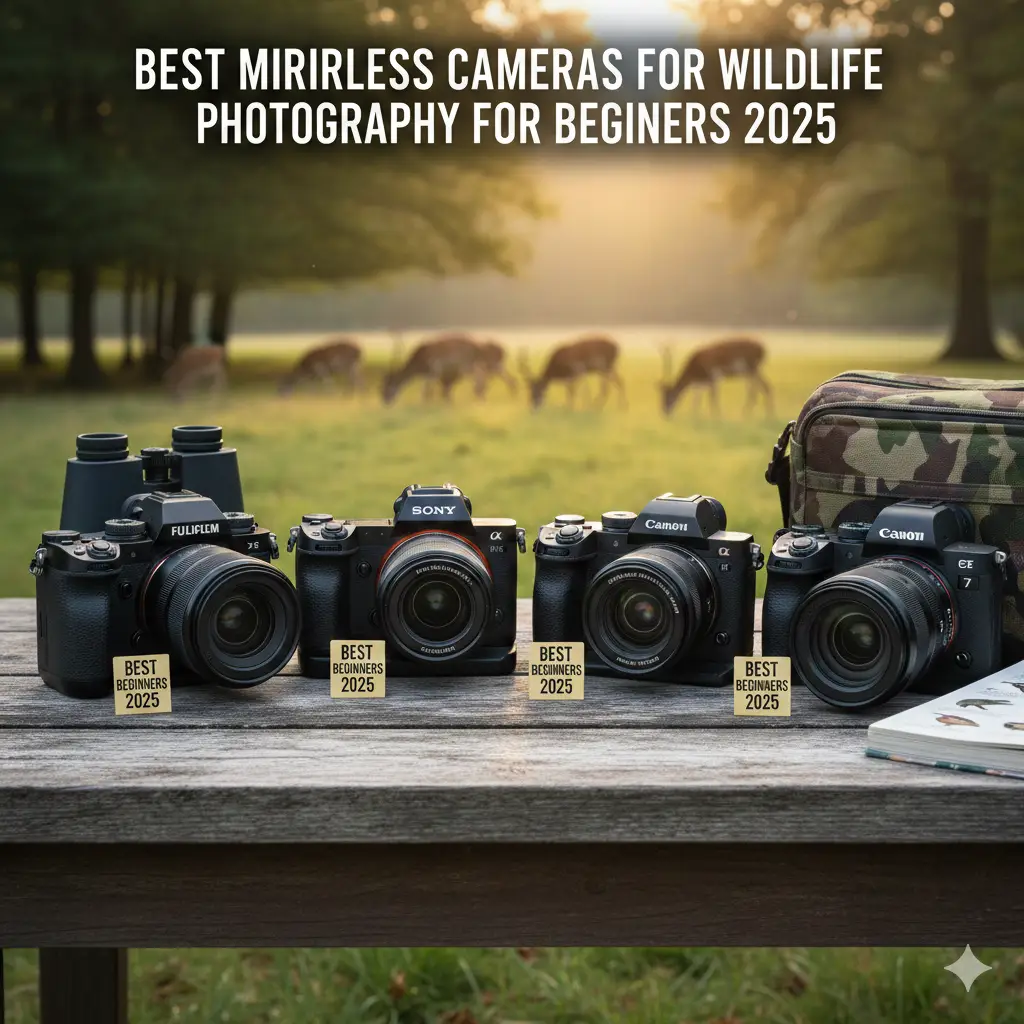
Many new photographers dream of capturing wild animals in action. A deer in the woods. A bird flying fast. These moments happen quickly. The best mirrorless cameras for wildlife photography for beginners 2025 help you get great shots without hard work. These cameras are small and light. They have smart tools that find animals and keep them in focus. Prices stay low so you can start without spending too much.
New shooters need simple cameras. Ones that spot bird eyes or animal bodies on their own. Crop sensors make things look closer. This gives extra reach like a longer lens for free. Fast bursts catch every wing flap or jump.
This long guide shares top choices for starters. We look at real features that matter in the field. You learn why each camera fits beginners. We add tips, lens ideas, and common fixes for mistakes. All info comes from trusted tests and user stories in 2025.
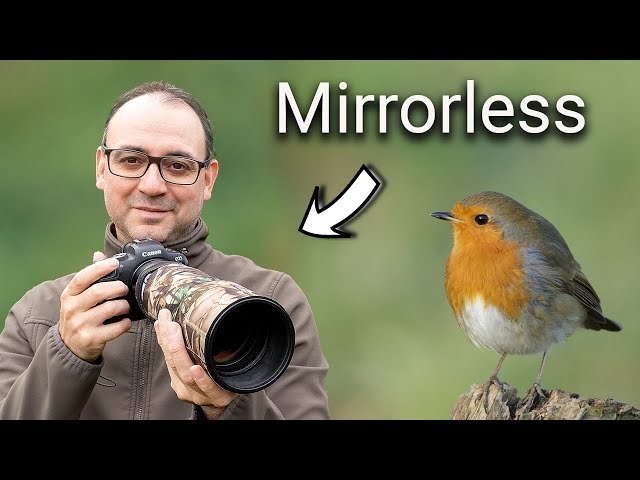
Why Choose Mirrorless for Beginner Wildlife Photography
Mirrorless cameras fit new wildlife shooters well. They have no big mirror inside. This makes them lighter to carry on hikes. You hold them longer without tired arms.
Good points include:
- Smart autofocus: Many spot animals, birds, or eyes with AI. Focus stays sharp on moving subjects.
- Clear viewfinder: You see the shot exactly as it will look. No surprises.
- Quiet shutter: Silent mode does not scare animals away.
- Crop sensors help reach: APS-C types add 1.5x or 1.6x zoom feel. A 300mm lens works like 450mm or more.
In 2025, beginner mirrorless models give strong tools at good prices. They mix ease, cost, and power. Sites like Paolo Sartori Photography point to APS-C bodies for starters. These give reach without costly full-frame setups.
Experts say mirrorless beats old DSLRs for wildlife now. Better tracking and lighter weight win the day.
Important Features for Wildlife Beginners
Pick cameras with these to succeed fast:
- Animal or bird detection – Camera finds eyes or bodies alone.
- Fast bursts – 10 to 20 shots per second or more for action.
- Crop sensor – Free extra zoom on lenses.
- Body stabilization – Keeps shots steady with long lenses.
- Weather protection – Good for rain or dust, but not needed first.
- Long battery – Extra ones for full days outside.
Skip hard pro cameras early. Start easy. Grow as you learn.
Top Choices: Best Mirrorless Cameras for Wildlife Photography for Beginners 2025
Here are strong picks. All suit budgets and new skills.
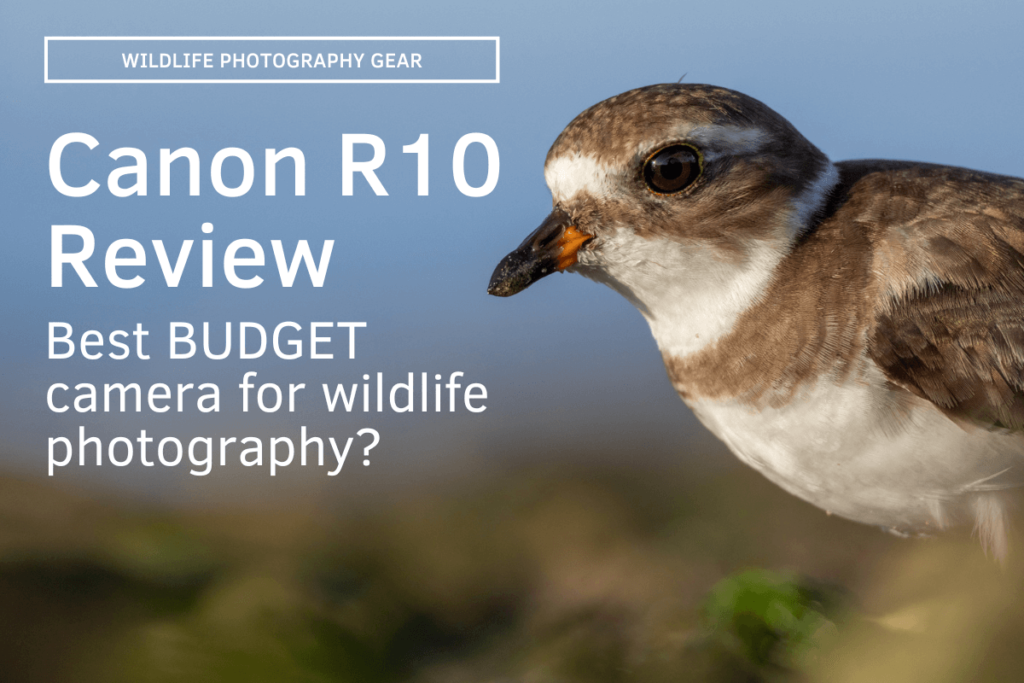
Canon EOS R10 – Top Pick for Most Beginners
The Canon EOS R10 shines as the best camera for wildlife photography beginner. Its fast Dual Pixel focus tracks animals well. It spots birds and mammals easy.
- Sensor: 24MP APS-C for 1.6x reach.
- Bursts: Up to 23 shots per second electronic.
- Focus: Animal eye detection works great.
- Price: Low for what it does.
New users like simple buttons and light weight. Add RF 100-400mm lens for far shots. Tests show sharp animal photos even in tough light.
This is a great best affordable camera for wildlife photography.
Sony A6700 – Strongest Focus for Action
The Sony A6700 leads as best mirrorless camera for wildlife photography beginner. Its AI focus follows wild movements like flying birds.
- Sensor: 26MP APS-C with 1.5x crop.
- Bursts: 11 shots per second.
- Focus: Top real-time tracking and eye detect.
- Stabilization: 5-axis in body.
It works well in dim light for early or late shoots. Many lens choices include cheap telephotos like 70-350mm. Small size fits long walks.
Perfect best mirrorless camera for beginners 2025 wanting sharp fast shots.
Nikon Z50 II – Great Feel and Good Deal
The Nikon Z50 II builds on the old model. It adds strong animal focus.
- Sensor: 21MP APS-C for 1.5x reach.
- Bursts: Up to 30 in some ways.
- Focus: Better bird detection.
- Build: Nice grip and some weather seal.
Easy controls help starters. Good in low light for dawn animals. Use with 180-600mm for far reach.
Strong best camera for wildlife photography 2025 starter.
Canon EOS R7 – More Power When Ready
The R7 gives extra speed but stays friendly.
- Sensor: 33MP APS-C.
- Bursts: 30 electronics.
- Focus: Great animal track.
More detail lets you crop photos. Body stabilization helps hand shots.
Good next step.
OM System OM-1 Mark II – Lightest with Big Reach
Micro Four Thirds gives 2x crop for super reach in a small package.
- Sensor: 20MP stacked.
- Bursts: High with pro modes.
- Focus: Strong detection.
Light lenses make all-day carries easy. Built tough for outdoors.
Broader guides like The Cotswold Photographer praise its value for wildlife.
Low-Cost Picks Under $1000
Save with used or older:
- Sony A6400: Still good focus.
- First Nikon Z50: Solid start.
Hunt deals for best camera for wildlife photography under 500.
Good Lenses for Starters
Begin with zoom telephotos:
- Canon RF 100-400mm – Cheap far reach.
- Sony 70-350mm – Sharp light.
- Nikon 50-250mm or third-party 150-600mm.
Add extender later for more zoom.
Many lenses work across brands with adapters.
Tips to Get Better Wildlife Photos Fast
Try these:
- Use detection modes – Let the camera find eyes.
- Burst shoot – Get many frames for the best one.
- Fast shutter – 1/1000 or higher to stop motion.
- Low angle – Get eye level with animals.
- Stay quiet and far – Respect wildlife space.
Learn light, speed, and opening basics first. Practice near home parks.
Read more beginner tips at Paolo Sartori Photography.

Mistakes New Shooters Make
Avoid these:
- Spend too much too soon.
- Forget good light or story in photos.
- Slow shutter on movers.
- No extra batteries or cards.
Keep it simple. Enjoy learning.
FAQs About Beginner Wildlife Cameras
What is the best camera for wildlife photography beginner?
The Canon EOS R10 stands out for most beginners. It has reliable animal detection, fast bursts up to 23 frames per second, and a light body. Pair it with an affordable lens like the RF 100-400mm for great results right away.
Is a crop sensor camera good for beginner wildlife photography?
Yes! Crop sensors (APS-C or Micro Four Thirds) give extra reach. A 300mm lens feels like 450mm or more. This helps capture distant animals without expensive long lenses. Full-frame offers better low light but costs more and needs bigger glass.
What is the best affordable camera for wildlife photography?
Look at the Canon EOS R10 or used Sony A6700. Both stay under many budgets and deliver strong autofocus and burst speeds. Add a budget telephoto zoom for a complete starter kit.
What is the best mirrorless camera for wildlife photography beginner?
The Sony A6700 excels with top AI autofocus that tracks birds and animals smoothly. Its stabilization helps handheld shots, and the compact size suits hikes.
Do I need animal eye detection as a beginner?
It helps a lot! This feature locks focus on eyes automatically for sharper portraits. Models like the R10, A6700, and Z50 II include it, reducing missed shots while you learn.
What is the best camera for wildlife photography 2025 on a tight budget?
Consider the Nikon Z50 II or older models like the Sony A6400 used. They provide solid performance. For very low cost, check best camera for wildlife photography under 500 deals on used markets1.
Conclusion
In conclusion, the best mirrorless cameras for wildlife photography for beginners 2025 such as Canon R10, Sony A6700, and Nikon Z50 II bring simple power to catch amazing nature moments. Smart focus2, reach, and light builds help you gain skills quickly. Pick one, go outside often, and have fun in the wild. What first animal do you want to shoot?
References
- Paolo Sartori Photography Guide – Practical beginner mirrorless picks with feature explanations. ↩︎
- The Cotswold Photographer Value Picks – Real-use value mirrorless for various shooters. ↩︎